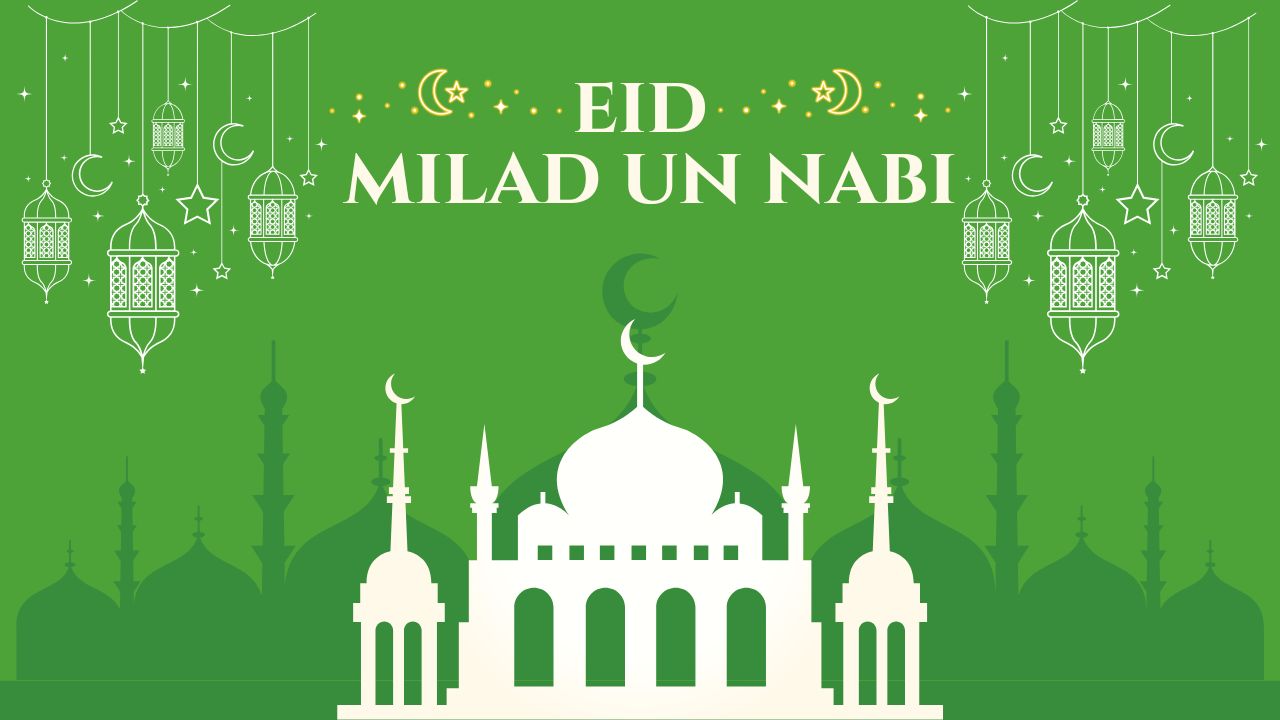

Eid Milad Un Nabi 2025 is a sacred occasion for Muslims worldwide, commemorating the birth of Prophet Muhammad. This year, the celebration is expected to take place on Friday, September 5, 2025, depending on the moon sighting in different regions. The day is marked by devotion, spiritual reflection, community gatherings, and acts of charity, making it a meaningful and joyous event.
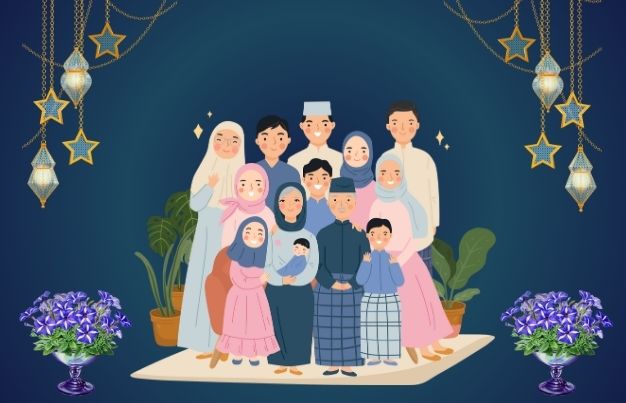
Families and communities come together to honor the Prophet’s teachings. Special prayers, recitations of Naats and Hamds, and community events strengthen bonds among people. Homes, mosques, and streets are decorated, creating a festive yet reverent atmosphere. Celebrating Eid Milad Un Nabi 2025 is also a reminder to practice values such as kindness, humility, and compassion in daily life.
Eid e Milad Un Nabi 2025: Date and Calendar Details
Eid Milad Un Nabi 2025 is expected to be observed on Friday, September 5, 2025, corresponding to the 12th of Rabi’ al-Awwal in the Islamic lunar calendar. The exact date may vary depending on moon sightings in different regions, so it is important to follow announcements from local religious authorities.
The Islamic calendar is lunar-based, meaning each month begins with the sighting of the new moon. Rabi’ al-Awwal, the third month of the Islamic calendar, is especially significant as it marks the Prophet Muhammad’s birth. Sunni Muslims generally observe the day on the 12th, while Shia Muslims celebrate it on the 17th.
In 2025, the alignment with Friday, a day of Jumma prayers, adds extra spiritual significance. This allows communities to organize special congregational prayers, recitations, and processions. Knowing the date in advance also helps families, schools, and mosques plan decoration for Eid Milad Un Nabi, educational programs, and charitable initiatives.
History of Eid Milad Un Nabi
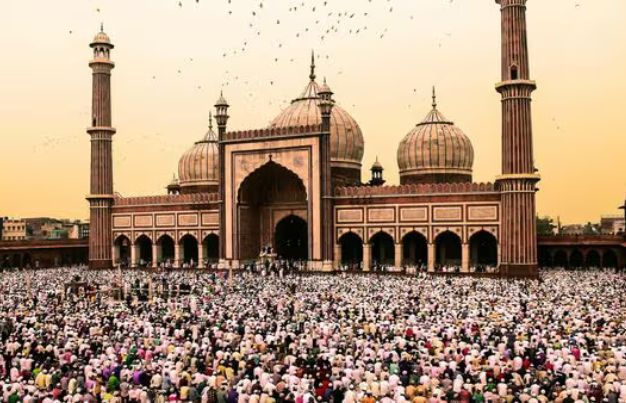
The celebration of Eid Milad Un Nabi traces its origins back to the early years of Islam, marking the birth of Prophet Muhammad (PBUH) in Mecca. Initially, the day was observed mainly through prayers and spiritual reflection, but over time, cultural elements such as processions and community gatherings were added.
Different regions observe the day in their own way. Sunni Muslims typically celebrate on the 12th of Rabi’ al-Awwal, while Shia Muslims observe it on the 17th. Regardless of the date, the purpose remains the same: honoring the Prophet’s life, teachings, and values.
Over the centuries, mosques and religious institutions began organizing lectures, seminars, and workshops to educate the younger generation about the Prophet’s exemplary character. This historical evolution emphasizes both devotion and moral education as key components of the celebration.
Significance of the Day
Eid Milad Un Nabi is not just a celebration; it is a day of reflection and spiritual growth. It reminds you to embody values such as honesty, patience, and compassion. The day also strengthens community ties, as people gather in mosques, homes, and community centers for prayers, recitations, and educational programs.
Charity is central to the observance. Distributing food, clothing, and essentials to those in need mirrors the Prophet’s teachings and promotes empathy and social responsibility. Celebrating Eid Milad Un Nabi 2025 is a way to internalize moral and ethical principles while fostering unity and peace within society.
How Eid Milad Un Nabi is Celebrated
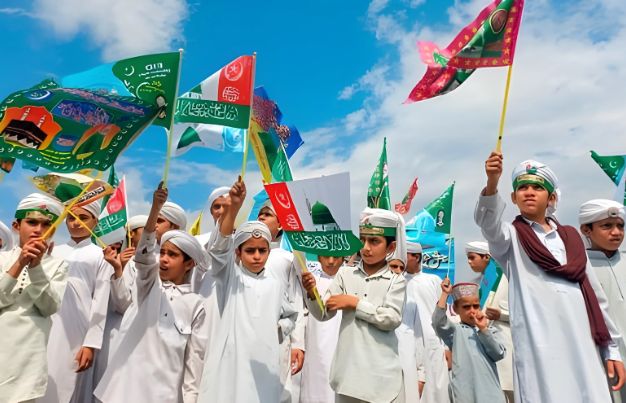
The celebration involves a mix of spiritual, cultural, and social activities. Recitations of Naats and Hamds are performed in homes, mosques, and community spaces, creating a serene and devotional environment. Public processions feature banners, flags, and lights, often accompanied by prayers and chanting.
Community gatherings include lectures on the Prophet’s life, interactive sessions for children, and charity drives. Acts of generosity, such as distributing food or clothing to the underprivileged, emphasize the social and spiritual significance of the day. Celebrating Eid Milad Un Nabi 2025 combines devotion, education, and communal participation, making the occasion meaningful for all ages.
Decoration for Eid Milad Un Nabi
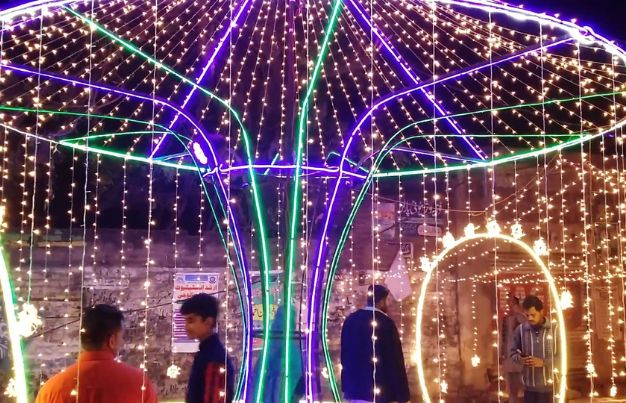
Decorations enhance the festive atmosphere and reflect the spiritual essence of the day. Homes, mosques, and streets are often adorned with lights, banners, and floral arrangements.
Home Decorations: String lights, lanterns, and candles can brighten entrances, windows, and prayer areas. Banners and posters featuring Islamic calligraphy or quotes from the Prophet add elegance. Floral arrangements, either fresh or artificial, symbolize purity and joy.
Community Decorations: Mosques and public spaces are decorated with illuminated arches, garlands, and banners. Streets often feature lighted pathways for processions.
DIY and Personalized Touches: Engaging children in creating paper lanterns, painted banners, or small floral designs makes the preparation interactive. Personalized banners with messages of peace and devotion add uniqueness to celebrations.
Using decoration for Eid Milad Un Nabi creatively enhances the festive environment while keeping the focus on the spiritual essence of the occasion.
Special Foods and Cultural Practices
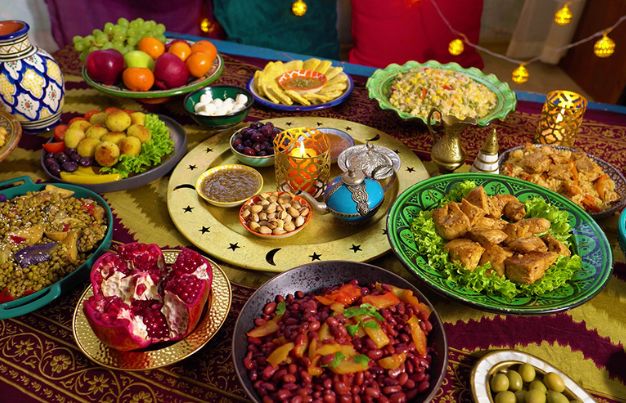
Food plays an important role in the celebrations. Traditional dishes and sweets, such as sheer khurma, biryani, kebabs, and dates, are prepared and shared with family, neighbors, and the less fortunate. Sharing meals fosters community spirit and reflects the Prophet’s teachings on generosity.
Cultural practices vary by region. In some areas, communal meals follow prayers, while others focus on family gatherings at home. Storytelling sessions and educational activities for children help them understand the Prophet’s life, values, and teachings. These practices make the celebration both spiritually fulfilling and culturally vibrant.
Eid Milad Un Nabi 2025 Around the World
Muslims celebrate Eid Milad Un Nabi globally, and while practices vary, the core essence remains the same. In South Asia, grand processions, mosque gatherings, and street decorations are common. In the Middle East, mosques are illuminated, and people participate in prayers, charitable activities, and lectures.
In Western countries, celebrations may be more community-focused due to smaller Muslim populations. Mosques organize special prayers, educational workshops, and communal meals to ensure the teachings of the Prophet reach younger generations.
Regardless of the location, the universal elements of prayer, reflection, charity, and community bonding define the celebration.
Educational and Awareness Programs
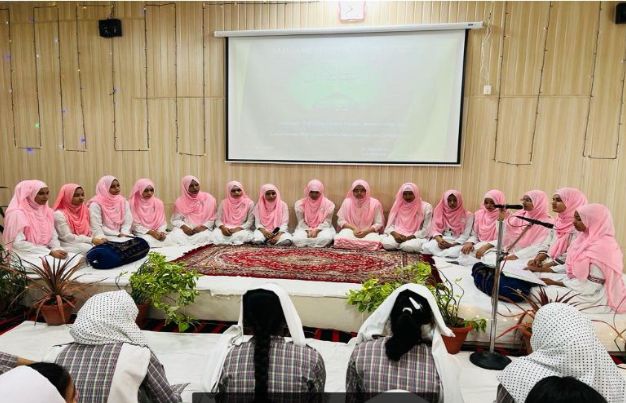
Educational initiatives are an essential part of Eid Milad Un Nabi 2025. Mosques, schools, and community centers host programs to teach about the Prophet’s life and moral guidance. Workshops, storytelling sessions, and interactive activities engage children, reinforcing lessons on kindness, honesty, and compassion.
For adults, seminars and discussions focus on applying the Prophet’s teachings to modern life. These programs highlight ethical principles, community welfare, and social responsibility, ensuring that the celebration is both educational and spiritually enriching.
Wrapping Up
Eid Milad Un Nabi 2025 is a day of devotion, reflection, and communal harmony. By honoring the birth and teachings of Prophet Muhammad (PBUH), you are encouraged to live with compassion, humility, and integrity.
Participating in prayers, recitations of Naats and Hamds, charitable acts, and community gatherings ensures that the celebration remains meaningful. Decorating homes and mosques, preparing traditional foods, and engaging children in educational activities make the day memorable for everyone.
Ultimately, celebrating Eid Milad Un Nabi 2025 is about embracing the Prophet’s teachings, fostering unity, and practicing generosity. By combining spiritual devotion with cultural practices, you can create a joyful and enriching experience for your family and community.
Frequently Asked Questions (FAQs)
Q1: What is the date of Eid Milad Un Nabi 2025?
It is expected to be observed on Friday, September 5, 2025, depending on the moon sighting.
Q2: Why do Sunni and Shia Muslims celebrate on different dates?
Sunni Muslims usually celebrate on the 12th of Rabi’ al-Awwal, while Shia Muslims observe it on the 17th, based on traditional practices.
Q3: How is Eid Milad Un Nabi celebrated?
Celebrations include prayers, recitations of Naats and Hamds, community gatherings, charity drives, and processions.
Q4: What are decoration ideas for the day?
String lights, banners, floral arrangements, Islamic calligraphy, and personalized DIY decorations enhance the festive atmosphere. Decoration for Eid Milad Un Nabi adds charm and spiritual ambiance.
Q5: Are there traditional foods associated with the celebration?
Yes, dishes like sheer khurma, biryani, kebabs, and dates are commonly prepared and shared with family and the community.