
The first monsoon showers, the scent of wet earth, and temple bells ringing louder than usual — these are the unmistakable signs that Shravan is near. For crores of Shiva devotees across the subcontinent, this single lunar month carries more spiritual weight than almost any other stretch on the Hindu calendar. If you have been searching for the exact Shravan 2026 start date, the complete list of Somwar vrat days, or simply want to understand why this month is treated so reverently, this guide walks you through everything in one place.
What Is Shravan Month?
Shravan — commonly called Sawan in Hindi-speaking states — is the fifth month of the Hindu lunisolar calendar. It arrives during the peak of the Indian monsoon, generally somewhere between mid-July and mid-September depending on the region, and the entire month is set aside for the worship of Lord Shiva. The name itself comes from the Shravana Nakshatra, the lunar constellation that governs the full-moon night falling within this period.
How the Hindu Lunar Calendar Decides the Dates
The Gregorian calendar you use every day is solar, but Hindu months are lunar, which is exactly why Shravan doesn’t fall on the same date each year and why it doesn’t start on the same day everywhere in India. Two competing systems are at play:
- Purnimanta calendar — a lunar month runs from one full moon to the next. This system is followed largely by North Indian states.
- Amanta calendar — a lunar month runs from one new moon to the next. This system is followed largely by South and West Indian states.
Because of this split, Shravan doesn’t begin on a single, universal date across India — it begins roughly two weeks apart depending on which system your region follows. Neither version is “more correct” than the other; they’re simply two different ways of marking the same lunar cycle, and both traditions are observing the identical sacred period at heart.
Why the Whole Month Belongs to Lord Shiva
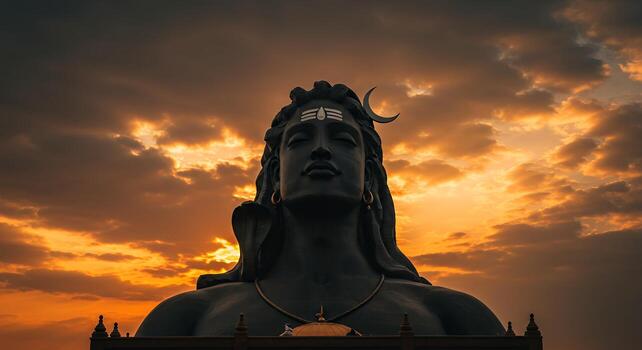
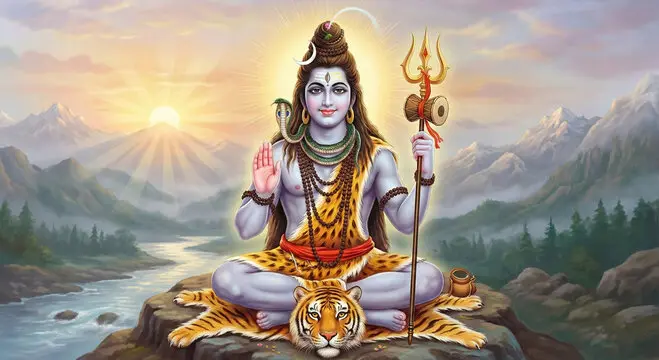
The story behind Shravan’s dedication to Shiva goes back to the Samudra Manthan, the churning of the cosmic ocean by the gods and demons in search of the nectar of immortality. Before the nectar surfaced, a lethal poison called Halahala rose from the waters, threatening to annihilate all creation. To protect the universe, Lord Shiva swallowed the poison and held it in his throat rather than letting it pass further, which is how he came to be known as Neelkanth, the blue-throated one. Goddess Parvati is said to have pressed his throat to stop the poison from spreading through his body.
This act of self-sacrifice is believed to have unfolded during Shravan, which is why devotees dedicate the entire month to honouring Shiva out of gratitude. The relentless monsoon rain that defines this season is seen as nature performing its own abhishek — a continuous bathing of the earth — echoing the way worshippers pour water, milk and other offerings over the Shivling throughout the month.
Shravan 2026 Dates: The Complete Calendar

Because the calendar system varies by state, here is a region-wise breakdown so you can mark the correct dates for wherever you are.
Shravan 2026 Start and End Dates by Region
For the North Indian, Purnimanta-following states — Uttar Pradesh, Rajasthan, Madhya Pradesh, Punjab, Himachal Pradesh, Uttarakhand, Chhattisgarh, Bihar and Jharkhand — Shravan 2026 begins on 30 July 2026 (Thursday) and concludes on 27 August 2026 (Thursday).
For the South and West Indian, Amanta-following states — Andhra Pradesh, Telangana, Goa, Maharashtra, Gujarat, Karnataka and Tamil Nadu — the month starts roughly two weeks later, beginning on 13 August 2026 (Thursday) and running through 10 September 2026 (Thursday).
Nepal and parts of Uttarakhand and Himachal Pradesh follow a solar reckoning of Shravan, where the month begins earlier, on 16 July 2026 (Thursday), and ends on 15 August 2026 (Saturday).
| Region | Calendar Followed | Start Date | End Date |
|---|---|---|---|
| North India (UP, Rajasthan, MP, Punjab, HP, Uttarakhand, Chhattisgarh, Bihar, Jharkhand) | Purnimanta | 30 July 2026 (Thu) | 27 August 2026 (Thu) |
| South & West India (AP, Telangana, Goa, Maharashtra, Gujarat, Karnataka, Tamil Nadu) | Amanta | 13 August 2026 (Thu) | 10 September 2026 (Thu) |
| Nepal & parts of Uttarakhand/HP | Solar | 16 July 2026 (Thu) | 15 August 2026 (Sat) |
Whichever region you belong to, it’s always wise to cross-check the exact date with your local panchang or family priest, since local sunrise timings can occasionally shift a tithi by a day.
All Shravan Somwar (Monday) Dates in 2026
Mondays hold a special place within Shravan, and the four Somwars of the month are the most heavily observed fasting days. Here’s the complete list, region by region.
North India (Purnimanta)
| Monday | Date |
|---|---|
| 1st Shravan Somwar | 3 August 2026 |
| 2nd Shravan Somwar | 10 August 2026 |
| 3rd Shravan Somwar | 17 August 2026 |
| 4th Shravan Somwar | 24 August 2026 |
South & West India (Amanta)
South & West India (Amanta):
| Monday | Date |
|---|---|
| 1st Shravan Somwar | 17 August 2026 |
| 2nd Shravan Somwar | 24 August 2026 |
| 3rd Shravan Somwar | 31 August 2026 |
| 4th Shravan Somwar | 7 September 2026 |
Nepal & Solar-calendar regions
| Monday | Date |
|---|---|
| 1st Shravan Somwar | 20 July 2026 |
| 2nd Shravan Somwar | 27 July 2026 |
| 3rd Shravan Somwar | 3 August 2026 |
| 4th Shravan Somwar | 10 August 2026 |
Save these dates now, because each successive Monday is believed to build on the devotional energy of the one before, culminating in the most elaborate rituals on the final Somwar.
Key Festivals Falling Within Shravan 2026
Several major festivals sit inside the Shravan window this year (dates below follow the North Indian Purnimanta calendar):
- Sawan Shivratri— 11 August 2026 (Tuesday), one of the most auspicious nights for Shiva worship within the month
- Hariyali Teej— 15 August 2026 (Saturday), largely observed by married and unmarried women for marital happiness
- Nag Panchami— 17 August 2026 (Monday), dedicated to the worship of serpent deities
- Raksha Bandhan / Shravana Purnima — 28 August 2026 (Friday), the full-moon day that marks the end of Shravan and celebrates the bond between siblings
These festivals weave naturally into the month-long observance, turning Shravan into a continuous chain of devotion, family tradition and celebration.
Why Shravan Matters: Spiritual and Cultural Significance
The Religious Weight of This Month
Ancient scriptures, including the Shiva Purana, describe Shravan as the single most fertile period of the year for Shiva worship. Devotees believe that prayers offered during this month reach Shiva with amplified force — the difference, as many put it, between writing a letter and having a direct conversation. This belief is what drives so many people to intensify their spiritual practice specifically during these weeks: seeking blessings, clearing obstacles, or asking for the fulfilment of long-held wishes.
The season itself reinforces the symbolism. Just as the monsoon rains revive parched land after the summer heat, Shiva’s blessings during Shravan are thought to rejuvenate a devotee’s inner life. The continual rainfall is viewed almost as nature’s own abhishek, echoing the ritual bathing performed inside temples.
Why Mondays Carry Extra Significance
Mondays, or Somwar, are already associated with Shiva because of “Som,” a reference to the crescent moon he wears on his head. During Shravan, this association intensifies considerably. Observing a fast on a Shravan Somwar is popularly believed to bring:
- Removal of obstacles across personal and professional life
- Fulfilment of desires related to marriage and relationships
- A calmer, clearer state of mind
- Protection from negative influences
- Overall wellbeing for the family
Unmarried women frequently keep this fast in the hope of finding a compatible life partner, while married couples often observe it together for a harmonious relationship. Expect temples to be packed on every Shravan Monday this year.
A Shared Festival With Regional Character
Beyond individual devotion, Shravan functions as a collective cultural moment — one that reinforces community ties and passes tradition down through generations. In North India, the Kanwar Yatra turns highways into rivers of saffron-clad pilgrims carrying Ganga water to their local Shiva temples while chanting “Bol Bam.” States like Bihar and Jharkhand see villages organise group pujas and cultural events throughout the month.
South India tends to observe the month more quietly, with home-based rituals and family prayers taking precedence over large public gatherings. Meanwhile, states like Gujarat and Maharashtra blend Shravan observance with preparations for their own upcoming festivals, such as Janmashtami. This blend of shared devotion and local flavour is part of what makes Shravan such a distinctive month across the country.
Shravan Fasting Rules: The Somwar Vrat Explained
Fasting is the backbone of Shravan observance for most devotees. Here’s a clear breakdown of how it’s typically done.
The Two Traditional Fasting Methods
Nirjala Vrat (waterless fast): The strictest option, where a devotee consumes neither food nor water from sunrise until the following morning or sunset, depending on family tradition. This requires genuine physical stamina and prior fasting experience, so many people reserve it for just one significant Monday rather than attempting it across all four.
Phalahar Vrat (fruit-based fast): The far more common approach, which permits specific sattvic foods through the day:
- Fresh fruits such as bananas, apples, pomegranates and berries
- Dairy products including milk, curd, paneer and cheese
- Dry fruits and nuts — almonds, cashews, raisins, dates
- Sabudana (tapioca pearls) and makhana (fox nuts)
- Potatoes, sweet potatoes and pumpkin
- Sendha namak (rock salt) in place of regular table salt
- Coconut water and fresh fruit juices
- Vrat-specific flours such as kuttu ka atta and singhare ka atta
Foods to avoid entirely during the fast
- Regular iodised salt
- Grains and pulses
- Onion and garlic
- Meat, fish and eggs
- Alcohol and tobacco
Most devotees break their fast after the evening puja, once the sun has set — either with a single substantial meal or several light portions through the day, depending on what suits their body.
Managing the Fast Alongside a Working Schedule
Balancing office demands with religious observance is entirely doable with a bit of planning:
- Prepare early— wake up slightly earlier, complete your morning puja before leaving home, and pack dry fruits, fruit and makhana for the day
- Stay fuelled— sip coconut water or fresh juice through the day and snack on nuts or dates every couple of hours to avoid energy crashes
- Pace yourself— avoid overexertion and take short breaks if you start feeling low on energy
- Keep it low-key— there’s no need to announce your fast; simply carry your permitted foods and go about your workday as usual
- Plan your fast-breaking meal ahead— batch-preparing sabudana khichdi, kuttu rotis or fruit chaat over the weekend saves time and effort on tiring weekday evenings
What matters most, ultimately, is sincerity of intent rather than a picture-perfect routine.
Fasting Guidelines Across Age Groups
Children under 12: A full fast isn’t recommended. Instead, let them offer water to the Shivling, learn a simple prayer, take part in the puja, and skip non-vegetarian food on Mondays — keeping the experience joyful rather than restrictive.
Teenagers (12–18): A modified fast, such as skipping just one meal instead of abstaining completely, helps build discipline without interfering with growth needs. It also helps to explain the deeper meaning behind the practice, not just the rules of it.
Elderly devotees: Health should always come first. A lighter version — reduced meals rather than complete abstinence, or skipping just one meal — combined with prayer and mantra chanting is a sensible substitute, and a doctor’s advice should be sought before starting any strict fast.
Pregnant or nursing women: Fasting isn’t advisable without a doctor’s clearance, since the baby’s nutrition takes priority. Many spiritual teachers suggest replacing physical fasting with mental worship, charitable acts and reading devotional texts instead.
Those with medical conditions: Diabetes, blood pressure issues and similar conditions call for medical guidance before fasting. Sincere prayer holds equal spiritual merit when physical fasting isn’t possible, and there’s no need to feel guilty about modifying the practice.
Step-by-Step Shravan Puja Vidhi at Home
Elaborate temple visits aren’t essential to observe Shravan meaningfully — a simple, sincere puja at home works just as well.
Setting Up for the Morning Ritual
Ideally, wake during Brahma Muhurta, roughly 90 minutes before sunrise, though early morning is fine too. Bathe before beginning the puja and wear fresh, light-coloured clothing. Choose a quiet corner of the house, lay down a clean cloth, and place your Shivling or a Shiva image at the centre with all your puja items arranged within easy reach.
The Complete Shiva Abhishek Process
Items you’ll need:
1. A Shivling, or an idol/picture of Shiva
2. A copper or steel plate to hold the Shivling
3. Water, preferably Gangajal
4. Cow’s milk
5. Honey
6. Yogurt or curd
7. Ghee
8. Sugar or sugarcane juice
9. Bilva (bel) leaves
10. Fresh flowers, including datura if available
11. Incense sticks
12. An oil lamp (diya)
13. Sandalwood paste
14. Fruit for offering
15. Rice (akshat)
The steps:
1. Dhyana: Sit comfortably, close your eyes, and mentally invoke Lord Shiva’s presence.
2. Sankalpa: Hold rice and a coin in your right palm and silently state your intention for the puja.
3. Water abhishek: Pour clean water over the Shivling while chanting “Om Namah Shivaya,” visualising the washing away of negativity.
4. Panchamrit abhishek: Combine milk, curd, honey, sugar and ghee, and pour this mixture over the Shivling while chanting.
5. Milk abhishek: Follow with a slow pour of fresh milk, symbolising purity and nourishment.
6. Rinse: Cleanse the Shivling once more with plain water.
7. Adornment: Apply sandalwood paste, offer fresh flowers, and place bilva leaves in sets of three, representing the trident.
8. Aarti: Light the diya and incense, perform aarti in circular motions, and chant “Om Namah Shivaya” or another Shiva mantra.
9. Offerings: Present fruit or sweets as prasad.
10. Closing prayer: Sit quietly, express gratitude, and conclude with a final chant.
Mantras worth knowing:
- Maha Mrityunjaya Mantra: A prayer to the three-eyed Lord Shiva, asking for liberation from the fear of death.
- Basic Shiva mantra: “Om Namah Shivaya,” ideally repeated 108 times.
You don’t need every item on the list to begin — water, a flower and genuine devotion are enough. Shiva, often called Bholenath for his simple, easily-pleased nature, values intent far more than a flawless ritual.
A Simpler Evening Routine
A shorter ritual after work keeps the day’s devotion going:
1. Light a diya near your Shiva idol
2. Burn incense
3. Offer fresh flowers or bilva leaves
4. Chant “Om Namah Shivaya” 11 or 21 times
5. Play or sing a Shiva bhajan or aarti
6. Share prasad with the family
Popular evening aartis such as “Jai Shiv Omkara” are widely available online if you’re unfamiliar with the words — perfect pronunciation matters far less than sincerity.
Shravan Do’s and Don’ts
Practices Worth Following
Worship:
- Perform a daily abhishek, ideally in the morning
- Visit a Shiva temple on Mondays where possible
- Chant “Om Namah Shivaya” or the Maha Mrityunjaya Mantra regularly
- Read the Shiva Purana or other sacred texts
Diet:
- Maintain a vegetarian diet through the month
- Favour sattvic, light meals over heavy or spicy food
Charity:
- Donate food to those in need
- Offer water to travellers during the hot afternoons
- Support others who are observing the fast
- Contribute to temple upkeep or religious causes
Conduct:
- Speak truthfully and avoid conflict
- Practise restraint and discipline
- Wake early and maintain a consistent routine
- Wear a rudraksha mala if you own one
- Keep your surroundings clean
Community:
- Join group bhajans or kirtans
- Take part in temple activities
- Share prasad with neighbours
- Introduce children to the traditions of the month
What to Avoid
Food:
- Non-vegetarian food of any kind
- Alcohol and other intoxicants
- Onion and garlic
- Excess regular salt (use sendha namak instead)
- Heavily processed or packaged food
Activities:
- Cutting hair or nails on Mondays, per traditional belief
- Launching new business ventures during the month
- Buying leather goods or non-vegetarian ingredients
- Loud, late-night celebrations
Behaviour:
- Lying or deceptive speech
- Anger and harsh words
- Gossip or negativity about others
- Excessive laziness
- Wasting food or water
Common slip-ups to watch for:
- Breaking the fast before the proper time
- Mixing regular salt into vrat food by mistake
- Ordering restaurant food without checking the ingredients
- Judging others who aren’t observing the same restrictions
These are guiding traditions, not rigid laws — approach them with compassion for yourself as much as devotion to the practice.
Can Non-Vegetarians Observe the Shravan Fast?
This is one of the most commonly asked questions, and honestly, there isn’t a single universal answer.
The Traditional View
Orthodox practice treats Shravan as a month for adopting a sattvic lifestyle, and non-vegetarian food is generally classified as tamasic — heavy, dense in energy, and considered counterproductive to spiritual focus. The reasoning includes:
- Shiva himself is depicted as an ascetic who favours simplicity
- Giving up something enjoyable is itself an expression of devotion and discipline
- Abstaining from meat aligns with ahimsa, or non-violence toward all beings
- Historically, monsoon season made meat harder to source and preserve safely
- Many families have observed strict vegetarianism through this month for generations
From this lens, full vegetarianism through Shravan represents the traditional ideal.
The Modern View
Contemporary spiritual teachers often place devotion above dietary rigidity, pointing out that:
- Sincerity matters more than perfect rule-following
- Physical health and lifestyle vary from person to person
- Gradual, willing change is more meaningful than forced restriction followed with resentment
- Practices differ widely by region and family
- Core spiritual acts — daily worship, chanting, kindness, honesty — carry equal or greater weight than diet alone
If complete vegetarianism feels unrealistic, some teachers suggest simply cutting down on non-vegetarian food while keeping other aspects of life — speech, thought, action — as pure as possible.
A Middle Path
- On the four Mondays: stick to a strict vegetarian diet, avoiding meat, eggs, onion and garlic as a mark of respect for the month’s holiest days
- On other days: if non-vegetarian food is part of your routine, consider eating it in moderation, away from your puja space
- Ease into it: — cutting down gradually over the first couple of weeks, then assessing how it feels, tends to work better than an abrupt, all-or-nothing shift
- Prioritise the core practices: regardless of diet: daily puja, mantra chanting, small acts of charity, and honest, calm conduct
The Bottom Line
There’s no single right answer that applies to everyone. Even a partial reduction in non-vegetarian consumption during Shravan, done with genuine intent, is a meaningful gesture of devotion. Shiva is widely regarded as an accessible, compassionate deity who values sincere effort over rigid perfection — so start from wherever you currently are.
Health Benefits of Shravan Fasting
Spiritual motivation aside, fasting during Shravan also carries some tangible wellness benefits, backed by both traditional wisdom and modern research.
Physical Benefits
Digestive rest: A Phalahar diet built around fruit, milk and nuts is easy on digestion, giving the gut a break from heavier, spicier meals. People who deal with acidity or bloating often notice relief during this period.
Natural detox support: Simpler meals mean the liver and kidneys aren’t constantly processing rich food, and the higher intake of water, fibre and natural nutrients from a fruit-heavy diet supports the body’s own cleansing processes.
Healthy weight management: While it shouldn’t be the goal of a religious fast, reduced meal frequency and lighter food often lead to gradual, healthy weight changes as a side effect — though the fast should never be treated as a crash diet.
Mental and Emotional Benefits
Discipline: Successfully sustaining a month-long practice builds willpower that carries over into other areas of life.
Stress relief: Regular meditation, chanting and puja activate the parasympathetic nervous system, helping to counter everyday stress.
Clarity of mind: Cutting back on indulgence and simplifying daily routine often brings sharper focus and calmer decision-making — a fairly practical outcome of removing distractions rather than anything mystical.
Emotional balance: A sattvic diet, free of heavy and stimulating foods, tends to support steadier moods and fewer emotional swings.
What Science Says About Periodic Fasting
Modern research increasingly supports what these traditions have practised for centuries. During extended fasting, cells activate autophagy — a process of breaking down and recycling damaged components, essentially cellular housekeeping, which research (including Nobel Prize–winning work by Yoshinori Ohsumi) has linked to improved cellular health.
Studies on intermittent fasting more broadly point to benefits such as:
- Better insulin sensitivity
- Lower inflammation markers
- Improved cholesterol and blood pressure readings
- Enhanced cellular repair
- Support for healthy brain function
These benefits depend on maintaining a genuinely light, sattvic diet during the fast — overeating or reaching for unhealthy food during non-fasting hours cancels out much of the advantage. Ultimately, though, the health perks are a welcome by-product of what remains, at its core, a spiritual practice.
How Shravan Is Celebrated Across India
North India
States like Uttar Pradesh, Bihar, Jharkhand and Uttarakhand host the Kanwar Yatra, one of the largest annual religious gatherings anywhere in the world. Pilgrims known as Kanwariyas walk hundreds of kilometres carrying decorated kanwars filled with Ganga water, chanting “Bol Bam” and “Har Har Mahadev” along the way, while local communities set up rest camps offering free food and shelter. In Delhi and Haryana, temples see enormous Monday crowds, and families often plan pilgrimages to sacred rivers for a holy bath. Regional cuisine leans on vrat staples such as kuttu ki puri, sabudana khichdi and makhane ki kheer, with recipes passed down through generations.
South India
Observance here is quieter and more home-centred, with families in Tamil Nadu, Karnataka, Andhra Pradesh and Kerala focusing on daily household pujas rather than mass pilgrimages. The month often overlaps with regional festivals like Varalakshmi Vratam in Karnataka and Andhra Pradesh, where women perform elaborate rituals for family prosperity. Fasting foods lean toward fruit, coconut-based dishes and payasam, and temple visits happen regularly, just without the scale seen in the north — the devotion is equally strong, expressed more privately.
East and West India
In West Bengal, the focus rests heavily on Shiva-Parvati worship, with married women often fasting for their husbands’ wellbeing and communities organising devotional music and recitations from the Shiva Purana. Odisha sees families preparing special prasad and visiting revered temples such as Lingaraj in Bhubaneswar.
In Maharashtra, celebrations often blend into preparations for the approaching Ganesh Chaturthi, with women performing abhishek rituals and organising group bhajans. Gujarat maintains strict vegetarian households through the month, with dishes like samo and rajgira taking centre stage. Rajasthan adds a burst of colour through Teej celebrations, with women dressed in green, applying mehendi and swinging on decorated jhulas set up for the monsoon.
Despite these regional differences in style, the underlying devotion to Shiva, the emphasis on Monday fasting, and the shared spirit of spiritual renewal remain constant everywhere — a fitting reflection of India’s unity within its diversity.
FAQs About Shravan 2026
Q1: When does Shravan month start in 2026?
In North India, Shravan 2026 begins on 30 July 2026 (Thursday), as per the Purnimanta calendar.
Q2: When does Shravan 2026 end?
It concludes on 27 August 2026 (Thursday) in North India, culminating in Shravana Purnima on 28 August 2026.
Q3: Are the Shravan dates the same across all of India?
No. South and West Indian states following the Amanta calendar observe Shravan from 13 August to 10 September 2026, roughly two weeks later than North India.
Q4: How many Shravan Somwars are there in 2026?
North India has four: 3, 10, 17 and 24 August 2026. South and West India also have four, falling on 17, 24, 31 August and 7 September 2026.
Q5: What foods are allowed during the Shravan fast?
Fruits, milk, curd, dry fruits, sabudana, kuttu ka atta, potatoes and dishes made with sendha namak are all permitted under a Phalahar fast.
Q6: Is it necessary to fast strictly for all four Mondays?
No. Many devotees choose to fast on just one or a few Mondays depending on their health and schedule; sincerity of devotion matters more than the number of days observed.
Q7: Can pregnant women or people with health conditions observe the fast?
It’s best to consult a doctor first. Worship without a strict fast, or a modified light fast, is a widely accepted alternative.
Q8: What is the difference between Sawan and Shravan?
None — they refer to the same month. “Sawan” is the colloquial Hindi term used mainly in North India, while “Shravan” is the Sanskrit name more common in scripture and South India.
Q9: When is Raksha Bandhan in 2026, and how is it connected to Shravan?
Raksha Bandhan 2026 falls on 28 August 2026, observed on Shravana Purnima — the full-moon day that marks the end of the Shravan month.
Q10: What should I do if I accidentally break my fast?
There’s no need to feel guilty. Offer a sincere prayer to Lord Shiva and simply continue your observance with renewed focus.