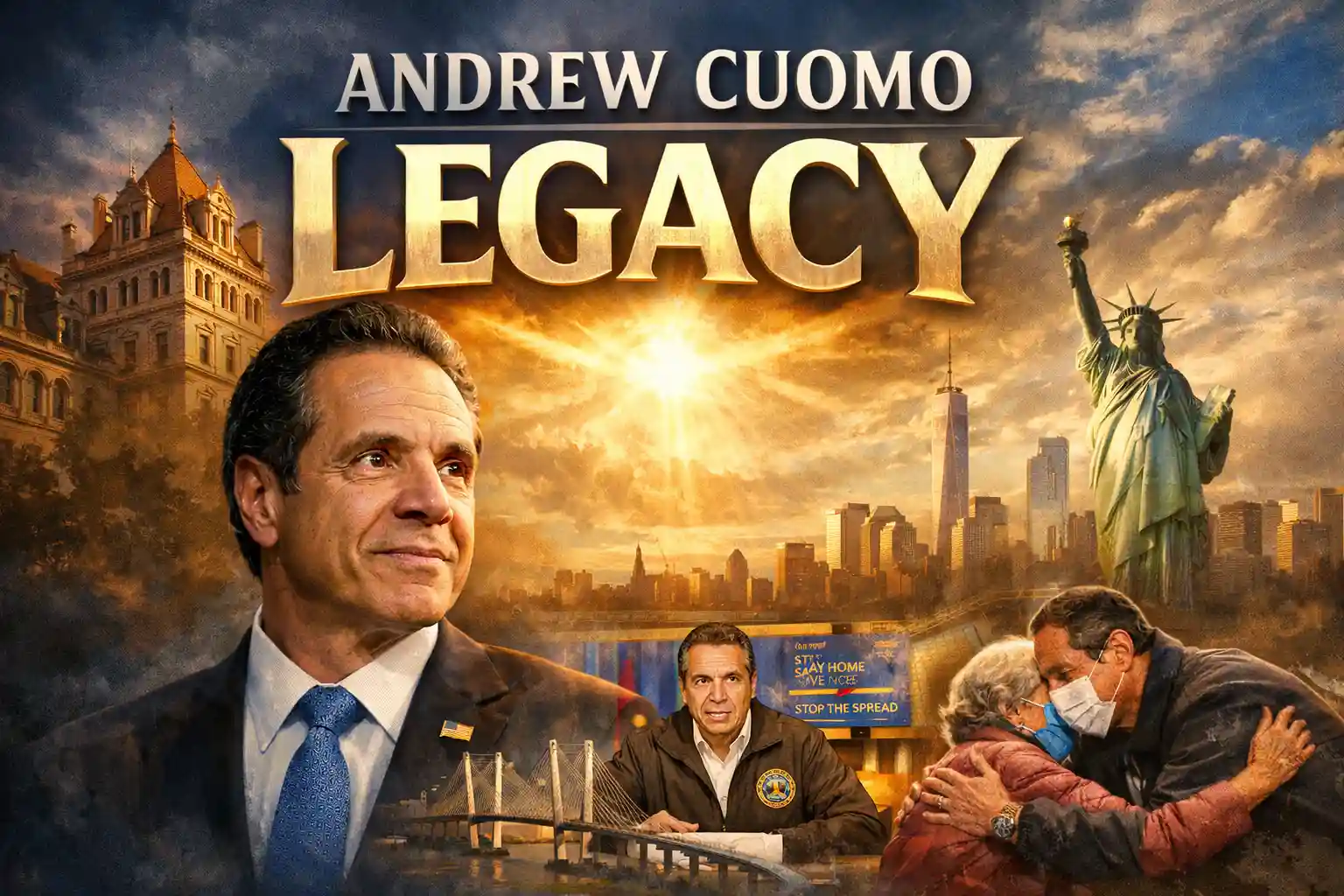

Andrew Cuomo served as New York’s 56th governor from 2011 until his resignation in 2021. The son of former Governor Mario Cuomo, he built a long career in Democratic politics, moving from U.S. Housing Secretary under Bill Clinton to state Attorney General and then to the top job in Albany after a landslide victory in 2010.
Key Achievements as Governor
Cuomo pushed several progressive measures during his decade in office:
- Legalized same-sex marriage in New York in 2011
- Enacted the SAFE Act for stricter gun control after the Sandy Hook shooting
- Raised the minimum wage and invested heavily in infrastructure projects
His early COVID-19 response earned national praise for daily briefings, though later scrutiny focused on nursing-home policies.
Scandals That Ended His Tenure
In August 2021, a state Attorney General investigation concluded that Cuomo had sexually harassed multiple women, including state employees. He denied the core allegations but resigned effective August 23, 2021, citing the political reality. A separate nursing-home data controversy added to the pressure.
Hochul Reworks Cuomo-Era Policies
Today, Gov. Kathy Hochul is actively trimming some of Andrew Cuomo’s final policies as she reshapes New York’s agenda. Her administration is scaling back parts of a major climate law and earlier pushed changes to the state’s cashless bail rules.
These moves reflect shifting pressures around affordability, crime, and rising energy costs. Hochul’s team worries the climate law’s strict emissions deadlines could drive utility bills higher for families. The changes also help her distance herself from Cuomo’s legacy ahead of the next election. Some Democratic lawmakers oppose the rollbacks, warning they could weaken the state’s climate goals.
Cuomo’s political comeback attempts, including a 2025 NYC mayoral run, ultimately fell short, closing a chapter that once defined New York politics. His influence, however, continues to shape ongoing debates in Albany.