
You want a clear, practical guide to fencing in Wakefield that helps you judge quality, cost, and options for your property. This article shows how Groundforce (Groundsforce.co.uk) and local professionals can help you plan, choose materials, and get a fence that fits your needs.
You will learn what to expect from experienced contractors, why professional installation matters, and how different fence materials affect appearance, durability, and price. This will help you make confident choices for your garden, boundary, or security project.
Groundforce Drives & Patios Limited
You notice the team takes pride in tidy work as soon as you arrive. The yard and office are organised, and staff speak clearly about plans and timings. They show examples of past driveways and patios that match what they describe.
You can expect a hands-on approach from planning to finish. They walk you through options and keep the job site clean each day. Communication feels personal rather than corporate.
Work looks solid and practical when you inspect completed projects. Joints are neat, edges are straight, and material choices suit the setting. Prices seem fair for the level of care they offer.
If you want straightforward advice and a reliable local crew, this is a good place to contact. They offer quotes and explain what you will get at each stage.
Rating: 5 (27 reviews)
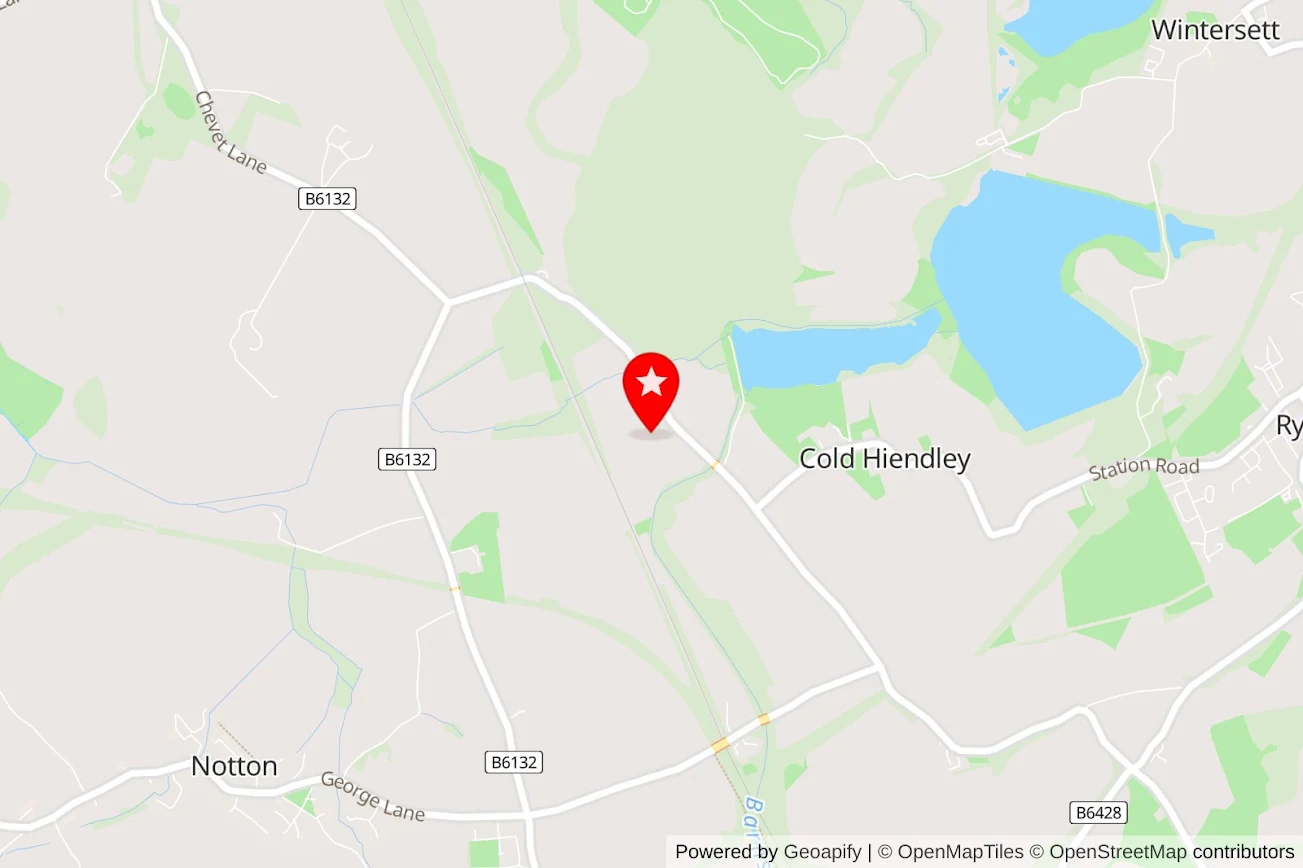
Location: Groundforce Drives & Patios Limited
Contact: +44 7765 025443
Website: Visit Website
Why Professional Fencing Matters
Professional fencing keeps your Wakefield property safer and more attractive. It protects against trespass, reduces maintenance headaches, and helps you get the best resale value.
Security Benefits for Wakefield Properties
A professionally fitted fence reduces easy access points for intruders. You get correctly set posts, concrete foundations, and secure fixings that stop panels from being lifted or pushed over.
Choose materials and heights that match your risk level. For back gardens, 1.8–2.0 m close-board, with gravel boards to prevent rot, gives good privacy and security. For boundaries facing streets, consider metal palisade or welded mesh if you need higher protection.
Proper installation also limits gaps that let pets or children slip through. A pro will advise on gate locks, hinge strength, and anti-tamper fittings suited to Wakefield weather and local council rules.
Improving Property Value with Quality Fencing
Good fencing enhances kerb appeal and shows buyers the property has been cared for. Well‑installed timber, composite, or metal fencing looks neater and lasts longer than DIY repairs.
You can expect better offers when fencing matches the style of the house and neighbourhood. For example, matched timber panels and treated posts keep a consistent look that appeals to local buyers.
Professional work reduces future repair costs. That reliability makes your sale smoother and can speed up transactions, because surveyors note secure boundaries and proper drainage at the fence line.
Choosing the Right Materials for Your Fence
Pick materials that match your budget, security needs, and how much upkeep you want to do. Think about local soil, wind exposure, and how the fence will look next to your house.
Comparing Wood, Metal, and Composite Options
Wood offers a classic look and good privacy. You can choose from pressure-treated pine, cedar, or oak. Pine costs less but needs stain or preservative every few years. Cedar resists rot better and smells natural, but costs more.
Metal, like galvanized steel or aluminium, gives strong security and low bulk. Steel is very tough for security panels and can be powder-coated for longer life. Aluminium is lighter and won’t rust, so gates are easier to open.
Composite blends wood fibres and plastic. It resists rot and needs less maintenance than timber. It can cost more up front but often lasts longer without painting. For sound reduction, dense timber or composite panels perform better than thin metal slats.
Use a material that fits the local weather and the height you want. Match post type (concrete-set or morticed) to the material you pick.
Maintenance Considerations for Different Materials
Wood needs the most regular care. Expect to stain or seal every 2–4 years, and check posts for rot annually. Replace gravel boards where panels sit low to the ground to prevent water damage.
Metal requires less attention. Clean salt or grime off steel to stop surface rust. Repaint or touch up scratches on coated metal within months to avoid corrosion. Lubricate gate hinges once a year.
Composite needs the least care. Wash panels with soapy water once a year to remove dirt and algae. Inspect fastenings and posts after heavy storms since composite can still warp if poorly supported.
Plan maintenance costs into your budget. Factor labour if you prefer a contractor to carry out staining, rust treatment, or annual checks.